Many builders in Ballarat assume the ground is stable because it looks firm on the surface. That assumption has caused costly structural cracks around Lake Wendouree and in newer estates on the city's northern fringe. The real problem is that the underlying geology varies sharply within a single block. We regularly see differential movements of 15 to 25 mm across a slab, enough to jam doors and fracture brickwork. A proper differential settlement analysis before foundation design avoids these failures. In our experience, combining a plate load test with borehole data gives the clearest picture of how the soil will behave under load.
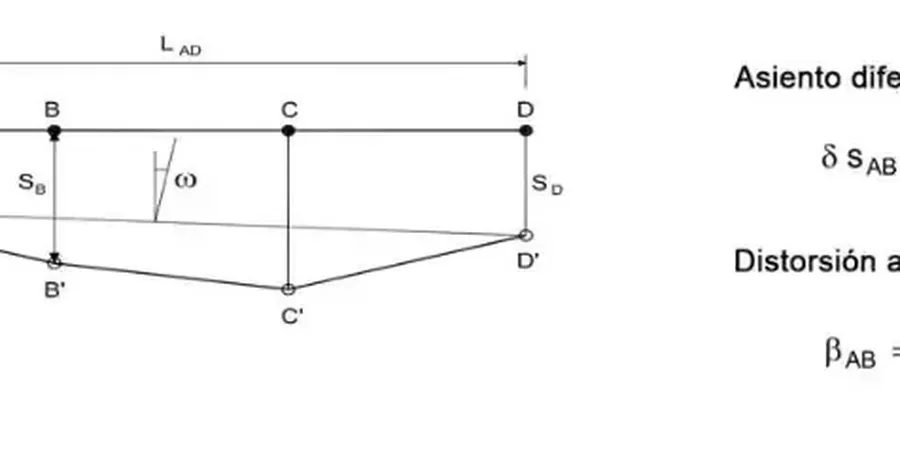
Differential settlement in Ballarat often traces back to abandoned deep lead workings that collapse decades after mining stopped.
Technical details of the service in Ballarat
Typical technical challenges in Ballarat
In Ballarat, we often see that differential settlement shows up two to five years after construction, not during the first season. The reactive clays in areas like Alfredton and Wendouree shrink and swell with seasonal moisture changes, and the movement accumulates over several wet-dry cycles. If the foundation was designed with uniform bearing pressure across a variable soil profile, the slab tilts and the walls crack. A differential settlement analysis that includes seasonal moisture monitoring and consolidation testing on multiple samples reduces this risk significantly. Without it, repairs can cost more than the original foundation.
Our services
We provide two core services tailored for Ballarat's ground conditions.
Site-Specific Differential Settlement Study
A targeted investigation using multiple boreholes, undisturbed sampling, and consolidation testing. We model expected differential movement under your proposed footing design and recommend slab articulation joints or deep piers where needed.
Existing Structure Settlement Assessment
For buildings already showing distress, we measure current differential movement, correlate it with soil moisture data, and determine whether the movement has stabilised. The report includes options for underpinning or slab releveling.
Q&A
What causes differential settlement in Ballarat specifically?
The two main causes are reactive basaltic clays that shrink and swell with seasonal moisture, and old deep lead mining voids that can collapse under load. Both are common across Ballarat's urban footprint.
How much does a differential settlement analysis cost in Ballarat?
A typical study for a residential site ranges between AU$1,230 and AU$2,510, depending on borehole depth and number of samples tested. Commercial projects with multiple boreholes cost more.
What standard governs differential settlement analysis in Australia?
AS 2870-2011 covers residential slabs and footings, while AS 1726-2017 sets the requirements for the geotechnical investigation itself. Both are referenced in our reports.
Can I do a differential settlement analysis after the house is built?
Yes. We survey the existing slab levels, install moisture probes in the soil, and correlate the data to determine if movement is ongoing or stabilised. This helps decide whether underpinning is needed.
Coverage in Ballarat
Visual overview
This service complements our laboratory testing work for a complete project analysis.